
PTSD Nightmares: Signs, Causes and When to Get Help
PTSD nightmares replay trauma and wreck sleep. Learn why they happen, how they differ from normal bad dreams, and treatments like imagery rehearsal therapy that work.
PTSD nightmares are vivid, distressing dreams that replay or echo a traumatic event, often waking you in fear with a racing heart and sweating. They affect up to 70% of people with PTSD and fuel insomnia and daytime symptoms. Effective treatments include imagery rehearsal therapy, trauma-focused therapy, CBT for insomnia and certain medications.
Key takeaways
- Nightmares are one of the most common and persistent PTSD symptoms.
- They keep the trauma memory active and disrupt sleep.
- Imagery rehearsal therapy (IRT) changes the nightmare script while awake.
- Trauma-focused therapy often reduces nightmares too.
- Some medications can help; a provider can tailor options.
Night after night, you are back there: the same scene, the same fear. You jolt awake drenched in sweat, heart pounding, and then lie awake dreading falling asleep again. Over time you start avoiding bed altogether. For many trauma survivors, PTSD nightmares are the hardest symptom to live with.
This guide explains why PTSD nightmares happen, how they differ from ordinary bad dreams, and the treatments that help. See also PTSD treatment.
What are PTSD nightmares?
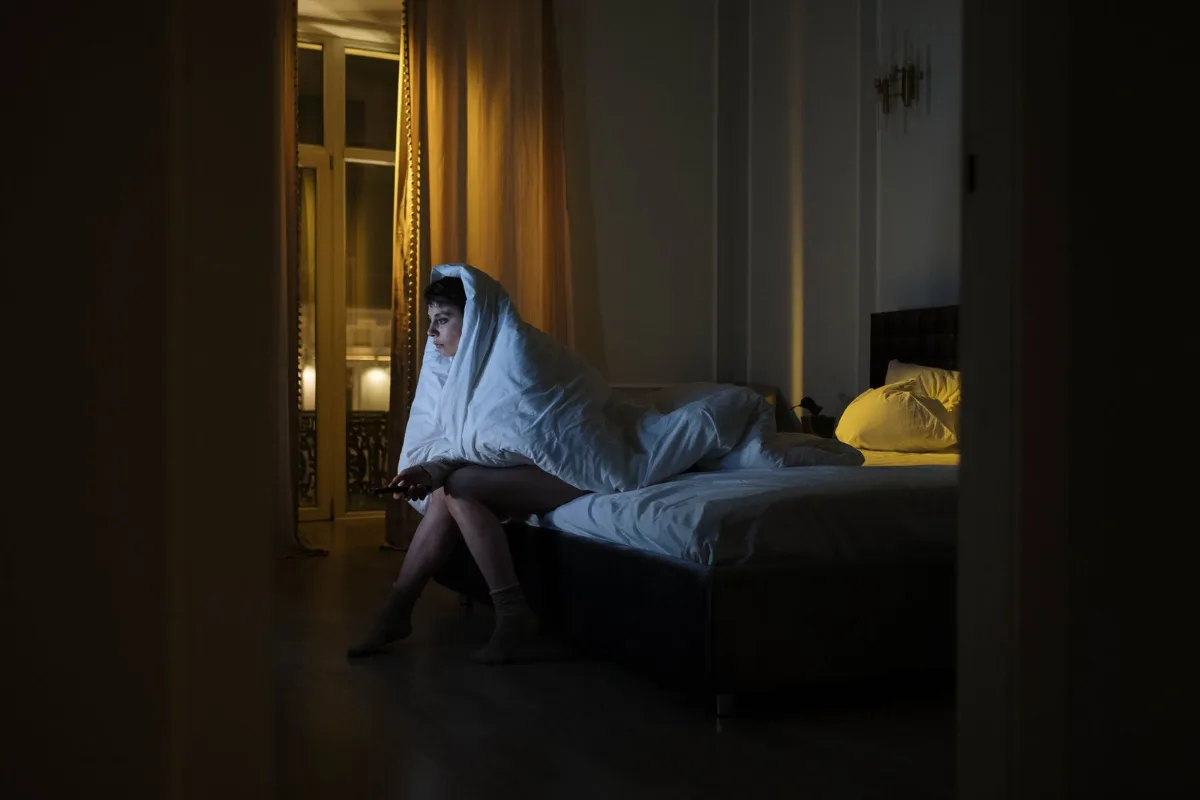
Trauma-related nightmares are a core “re-experiencing” symptom of PTSD. They may replay the event exactly, contain parts of it, or carry the same emotions (terror, helplessness, guilt) in different scenes. People often wake with physical arousal and clear memory of the dream. Nightmares also occur after trauma without full PTSD.
PTSD nightmares vs normal bad dreams
| Normal bad dreams | PTSD nightmares | |
|---|---|---|
| Content | Varied, symbolic | Replays or themes of trauma |
| Frequency | Occasional | Often several times a week |
| Waking | May not wake | Wake in fear with racing heart |
| Impact | Little | Insomnia, fear of sleep, daytime fatigue |
Why PTSD nightmares happen
During sleep, the brain processes memories and emotions. After trauma, the fear system stays on high alert and the memory is not filed properly, so it keeps resurfacing. Sleep disruption, hyperarousal, alcohol use and stress can worsen nightmares. Nightmares in turn worsen sleep and daytime PTSD symptoms, creating a cycle.
Treatments that help
Imagery rehearsal therapy (IRT)
While awake, you write a new, less distressing version of the nightmare and rehearse it daily. Research shows IRT reduces nightmare frequency and distress.
Trauma-focused therapy
CPT, prolonged exposure and EMDR process the trauma itself and often reduce nightmares.
CBT for insomnia
Treats the insomnia that often comes with nightmares (see insomnia treatment).
Medication
Some medications can reduce trauma-related nightmares; a psychiatric provider will discuss options and side effects through medication management.
Sleep habits
Consistent schedule, calming wind-down, limit alcohol and caffeine, and a safe-feeling sleep space.
Coping after waking from a nightmare
- Ground yourself: turn on a soft light, name what is around you
- Remind yourself: “That was a dream. I am safe now.”
- Slow breathing with a long exhale
- Get up briefly if you cannot settle, then return to bed
- Avoid alcohol as a sleep aid; it worsens nightmares later in the night
When to get help
Seek help if nightmares happen weekly or more, cause fear of sleep, insomnia or daytime exhaustion, or come with other PTSD symptoms. Veterans can call 988 and press 1.
How GraceBridge Psychiatry can help
GraceBridge Psychiatry provides secure online psychiatric care for adults in Texas, Arizona and Washington. Care starts with a comprehensive psychiatric evaluation, followed by a personalized treatment plan that may include therapy referrals, lifestyle strategies and medication management when appropriate. Learn more about how we treat PTSD and trauma. Most new patients are seen within days. See insurance we accept and self-pay pricing.
- Free consultation call: tell us what is going on.
- Book your evaluation: meet a board-certified provider by secure video.
- Get your plan: clear next steps and follow-up until you feel better.
Frequently asked questions
Why do I have PTSD nightmares?
After trauma, the brain’s fear system stays activated and the memory is not fully processed, so it resurfaces during sleep.
How common are nightmares in PTSD?
Up to about 70% of people with PTSD report frequent nightmares.
How do I stop PTSD nightmares?
Imagery rehearsal therapy, trauma-focused therapy, CBT for insomnia and certain medications can reduce them.
What is imagery rehearsal therapy?
A technique where you rewrite a recurring nightmare into a less distressing version and rehearse it while awake.
Can medication help PTSD nightmares?
Yes, some medications reduce trauma-related nightmares. A provider can discuss options.
Do PTSD nightmares ever go away?
Yes. With treatment, nightmare frequency and intensity often decrease significantly.
Can alcohol help me sleep after nightmares?
Alcohol may help you fall asleep but disrupts later sleep and can worsen nightmares.
What should I do after a PTSD nightmare?
Ground yourself, remind yourself you are safe, breathe slowly and get up briefly if needed.
Can nightmares happen without PTSD?
Yes. Nightmares can follow trauma or stress without full PTSD, and nightmare disorder can occur on its own.
Do children get trauma nightmares?
Yes. Children may have frightening dreams without clear trauma content.
Are night terrors the same as nightmares?
No. Night terrors occur in deep sleep and people usually do not remember them; nightmares occur in REM sleep and are remembered.
Can PTSD nightmares cause insomnia?
Yes. Fear of nightmares often leads to avoiding sleep and insomnia.
Can therapy for PTSD reduce nightmares?
Yes. Trauma-focused therapies often reduce nightmares as the trauma is processed.
Can my partner help?
Partners can offer reassurance, avoid startling you awake, and support treatment.
When should I see a professional?
If nightmares are frequent, disrupt sleep or come with other PTSD symptoms.
Sources
- National Center for PTSD. Nightmares and PTSD
- Morgenthaler TI, et al. Position paper for the treatment of nightmare disorder in adults. J Clin Sleep Med. 2018;14(6):1041-1055.
- Krakow B, et al. Imagery rehearsal therapy for chronic nightmares in sexual assault survivors with PTSD. JAMA. 2001;286(5):537-545.