
Loneliness and Isolation: Signs, Causes and When to Get Help
Loneliness and isolation harm mental and physical health. Learn the difference between them, the signs, health effects, who is at risk and practical ways to reconnect.
Loneliness is the painful feeling that your social connections are not what you need; social isolation is having few social contacts. They often occur together. The U.S. Surgeon General has called loneliness an epidemic, linking it to higher risks of depression, anxiety, heart disease, stroke, dementia and early death. Reconnecting through small regular contact, shared activities, purpose and, when needed, professional help can reverse it.
Key takeaways
- About half of U.S. adults report measurable loneliness.
- Loneliness is subjective; isolation is objective.
- Chronic loneliness has health effects comparable to smoking.
- Depression and social anxiety can both cause and result from loneliness.
- Small, consistent actions rebuild connection.
You can be surrounded by people and still feel alone. Or you may live alone, work remotely and realize days have passed without a real conversation. Either way, loneliness and isolation hurt, and they matter for your health far more than most people realize.
This guide explains the difference between loneliness and isolation, the signs, why they harm health, who is most at risk, and practical ways to reconnect. See also social burnout.
Loneliness vs social isolation
| Loneliness | Social isolation | |
|---|---|---|
| Definition | Feeling disconnected or lacking meaningful connection | Objectively having few relationships or contacts |
| Can occur | Even when surrounded by people | Even without feeling lonely |
| Measured by | How you feel | Number and frequency of contacts |
Both carry health risks, and they often reinforce each other.
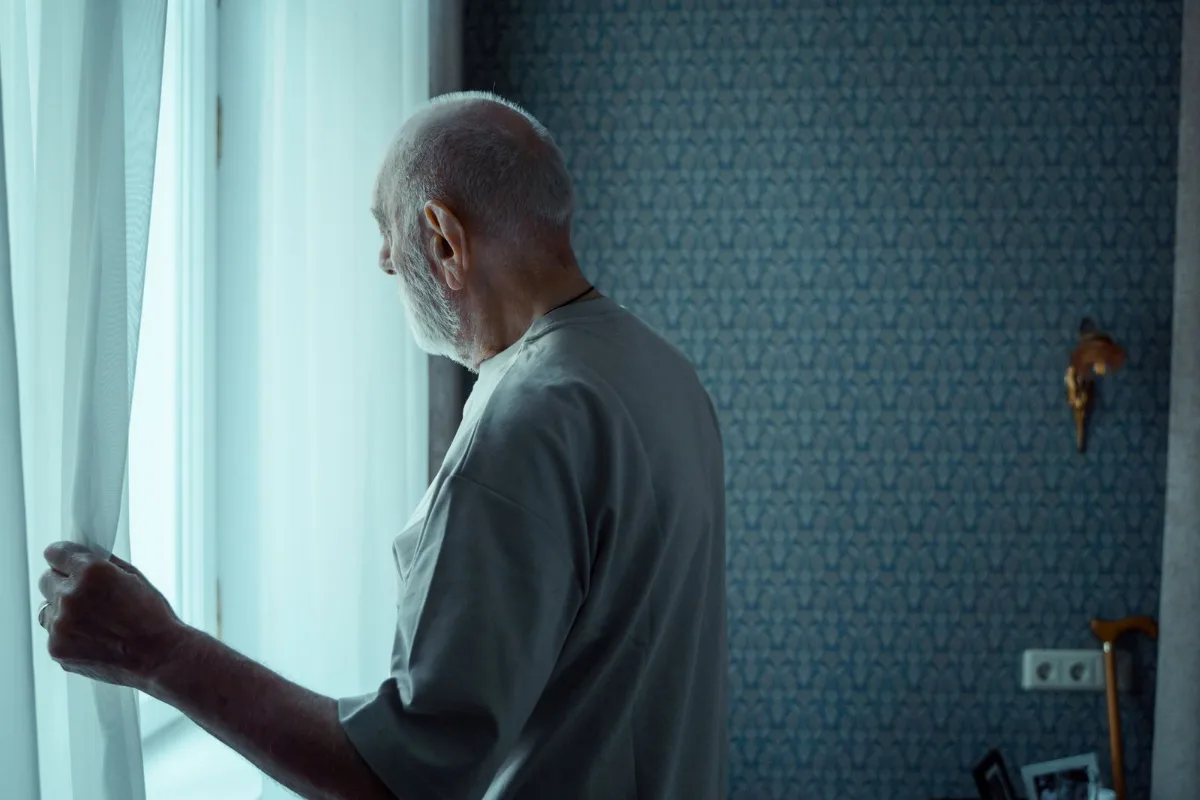
Signs of chronic loneliness
- Feeling disconnected even with others
- No one to share personal thoughts with
- Low energy, low mood or numbness
- Trouble sleeping
- Increased screen time or binge-watching as a substitute
- Feeling misunderstood or invisible
- Self-criticism and assuming others do not want your company
How loneliness affects health
Research summarized in the 2023 U.S. Surgeon General’s advisory links loneliness and isolation to increased risks of heart disease, stroke, dementia, depression, anxiety and premature death. Chronic loneliness raises stress hormones, disrupts sleep and weakens immune function.
Who is at risk?
- Young adults and older adults (both report high rates)
- People living alone or who recently moved
- Remote workers
- Caregivers and new parents
- People with chronic illness or disability
- Men, who often have fewer close confidants
- People who are grieving or recently divorced
- People with depression or social anxiety
How to reconnect
Start small
Send one message or make one call a day.
Schedule regular contact
A weekly walk, call or meal with someone.
Join shared activities
Classes, faith communities, sports, volunteering.
Find purpose
Volunteering combines connection and meaning.
Limit passive scrolling
Use technology to connect, not compare.
Challenge negative assumptions
Many people would welcome your outreach.
Get help
Therapy helps with social anxiety, depression and building skills.
When to seek help
If loneliness comes with persistent low mood, hopelessness, anxiety about social situations or thoughts of self-harm, reach out. Treating depression or social anxiety often makes connection easier. Call or text 988 in a crisis.
How GraceBridge Psychiatry can help
GraceBridge Psychiatry provides secure online psychiatric care for adults in Texas, Arizona and Washington. Care starts with a comprehensive psychiatric evaluation, followed by a personalized treatment plan that may include therapy referrals, lifestyle strategies and medication management when appropriate. Most new patients are seen within days. See insurance we accept and self-pay pricing.
- Free consultation call: tell us what is going on.
- Book your evaluation: meet a board-certified provider by secure video.
- Get your plan: clear next steps and follow-up until you feel better.
Frequently asked questions
What is the difference between loneliness and isolation?
Loneliness is feeling disconnected; isolation is having few social contacts.
Can loneliness affect your health?
Yes. It is linked to heart disease, stroke, dementia, depression and early death.
Is loneliness a mental illness?
No, but it is closely linked to depression and anxiety.
How common is loneliness?
About half of U.S. adults report measurable loneliness.
How do I stop feeling lonely?
Start small with regular contact, join shared activities, volunteer, and seek help if needed.
Can you be lonely in a relationship?
Yes. Loneliness is about the quality of connection, not just having people around.
Does social media cause loneliness?
Passive scrolling and comparison can increase loneliness; active connection helps.
Who is most at risk of loneliness?
Young adults, older adults, people living alone, caregivers and those with chronic illness.
Can therapy help loneliness?
Yes, especially when depression or social anxiety are involved.
Is loneliness worse for men?
Many men report fewer close friends and may be less likely to seek help.
Can loneliness cause depression?
Yes, and depression can increase loneliness.
How do I make friends as an adult?
Join recurring activities, volunteer and follow up consistently with people you meet.
Can pets help with loneliness?
Pets can provide companionship and encourage social contact.
Is it okay to talk to a professional about loneliness?
Yes. Loneliness is a valid reason to seek support.
What if I feel hopeless?
Call or text 988 or reach out to a professional.
Sources
- U.S. Surgeon General. Our Epidemic of Loneliness and Isolation (2023)
- Holt-Lunstad J, et al. Loneliness and social isolation as risk factors for mortality. Perspect Psychol Sci. 2015;10(2):227-237.
- 988 Suicide & Crisis Lifeline