
Symptoms of Adult ADHD: 20 Signs to Look For and When to Get Help
Symptoms of adult ADHD look different than in kids: time blindness, procrastination, restlessness, emotional swings and forgetfulness. See 20 signs and when to get help.

Common symptoms of adult ADHD include difficulty focusing, being easily distracted, forgetfulness, losing things, chronic lateness and time blindness, procrastination, trouble finishing tasks, disorganization, restlessness, impulsive decisions or spending, interrupting others, emotional reactivity and feeling constantly overwhelmed. Symptoms start in childhood and cause problems in at least two areas of life.
Key takeaways
- Adult ADHD affects an estimated 4% to 6% of U.S. adults, many undiagnosed.
- Hyperactivity in adults often becomes inner restlessness rather than running around.
- Executive function problems such as time management and organization are central.
- Emotional dysregulation and rejection sensitivity are common, though not formal criteria.
- ADHD is highly treatable at any age.
Missed deadlines, half-finished projects, a phone full of reminders you ignore, and a brain that will not slow down. Many adults live with these struggles for decades, assuming they are lazy, careless or just bad at “adulting.” In reality, they may be living with undiagnosed ADHD.
Attention-deficit/hyperactivity disorder does not disappear at 18. For many people, symptoms continue into adulthood, but they look different than they did in childhood. This guide covers 20 common signs of adult ADHD, how symptoms differ by gender, what can mimic ADHD, and when to get evaluated. For women specifically, read ADHD in adult women.
What is adult ADHD?
ADHD is a neurodevelopmental condition affecting attention, impulse control, activity levels and executive functions, the mental skills you use to plan, organize, prioritize, start tasks, manage time and regulate emotions. For a diagnosis, adults (17 and older) need at least five symptoms of inattention and/or hyperactivity-impulsivity, present before age 12, occurring in two or more settings and causing impairment.
Inattentive symptoms of adult ADHD
- 01Focus
Easily distracted
Noises, notifications or your own thoughts constantly pull you away.
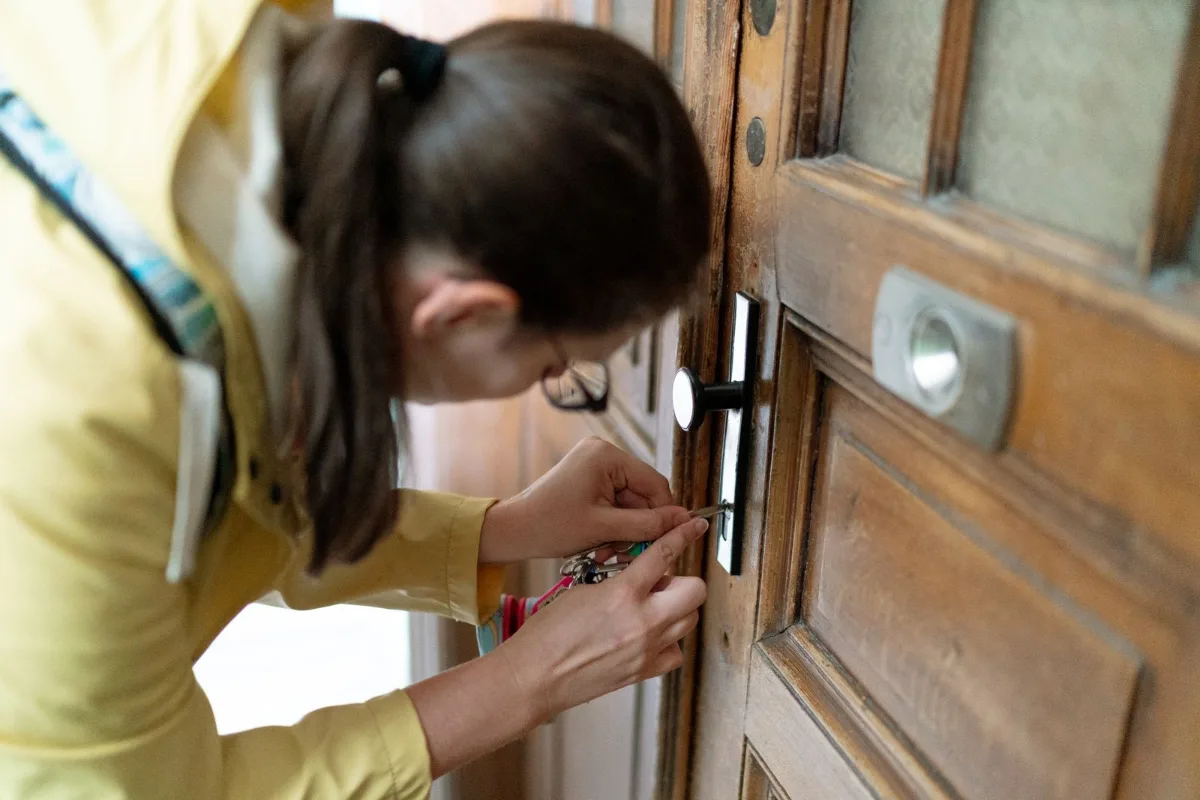
Losing everyday items is one of the most common adult ADHD signs. - 02Focus
Careless mistakes
Missing details in emails, forms or work tasks.
- 03Focus
Zoning out in conversations
Realizing you have not heard what someone said.
- 04Tasks
Not finishing tasks
Starting strong, then losing steam.
- 05Organization
Disorganization
Messy spaces, piles of paperwork, chaotic schedules.
- 06Tasks
Avoiding mental effort
Putting off reports, taxes or forms that require sustained focus.
- 07Memory
Losing things
Keys, wallet, phone, glasses, daily.
- 08Memory
Forgetfulness
Missed appointments, bills and birthdays.
- 09Time
Time blindness
Underestimating how long things take; chronic lateness.
Hyperactive and impulsive symptoms
- 10Body
Fidgeting
Tapping, bouncing a leg, needing to move.
- 11Body
Inner restlessness
Feeling driven by a motor, unable to relax.
- 12Speech
Talking excessively
Dominating conversations or going off on tangents.
- 13Impulse
Interrupting
Finishing others’ sentences or blurting out.
- 14Impulse
Impatience
Hating lines, traffic and waiting.
- 15Impulse
Impulsive decisions
Spending, quitting jobs or making commitments without thinking.
Emotional and executive symptoms
- 16Emotion
Emotional reactivity
Quick frustration, irritability, mood swings within a day.
- 17Emotion
Rejection sensitivity
Intense pain from criticism or perceived rejection.
- 18Executive
Procrastination and task paralysis
Knowing what to do but being unable to start.
- 19Focus
Hyperfocus
Losing hours to something interesting while priorities wait.
- 20Overall
Chronic overwhelm
Feeling behind and exhausted despite working hard.
How adult ADHD affects daily life
| Area | Common impacts |
|---|---|
| Work | Missed deadlines, inconsistent performance, frequent job changes |
| Relationships | Forgetting plans, interrupting, conflict over chores |
| Money | Late fees, impulse purchases, forgotten bills |
| Health | Irregular sleep, missed appointments, higher accident risk |
| Self-esteem | Years of feeling lazy or not living up to potential |
Adult ADHD symptoms in men vs women
Men are more likely to show outward hyperactivity, impulsivity, risk-taking and anger. Women more often have inattentive symptoms, internal restlessness, anxiety and emotional overwhelm, and are frequently misdiagnosed with anxiety or depression. Hormonal changes can worsen symptoms in women.
What else can cause these symptoms?
Anxiety, depression, bipolar disorder, sleep disorders such as sleep apnea, thyroid disease, substance use and trauma can all affect focus and organization. ADHD often co-occurs with these conditions, which is why a professional evaluation matters. Learn what to expect from an adult ADHD diagnosis.
When to get evaluated
Consider an evaluation if these symptoms have been present since childhood and are causing problems at work, home, in relationships or with money, or if treatment for anxiety or depression has not fully helped.
How GraceBridge Psychiatry can help
GraceBridge Psychiatry provides secure online psychiatric care for adults in Texas, Arizona and Washington. Care starts with a comprehensive psychiatric evaluation, followed by a personalized treatment plan that may include therapy referrals, lifestyle strategies and medication management when appropriate. Most new patients are seen within days. See insurance we accept and self-pay pricing.
- Free consultation call: tell us what is going on.
- Book your evaluation: meet a board-certified provider by secure video.
- Get your plan: clear next steps and follow-up until you feel better.
Adult ADHD symptom self-check
Based on common adult ADHD screening questions. Think about the past six months.
Frequently asked questions
What are the main symptoms of adult ADHD?
Difficulty focusing, distractibility, forgetfulness, disorganization, time blindness, procrastination, restlessness, impulsivity and emotional reactivity.
How do I know if I have ADHD as an adult?
If you have had attention, organization or impulsivity problems since childhood that affect multiple areas of life, consider an evaluation.
Can ADHD start in adulthood?
ADHD begins in childhood, but many people are not diagnosed until adulthood when demands increase.
What does ADHD feel like in adults?
Many describe a busy, restless mind, difficulty starting tasks, losing track of time, and feeling overwhelmed despite effort.
Is it ADHD or anxiety?
They overlap and often occur together. ADHD symptoms date back to childhood and are present even when not anxious.
What is time blindness?
Difficulty sensing how much time has passed or how long tasks will take, common in ADHD.
What is rejection sensitive dysphoria?
Intense emotional pain in response to perceived rejection or criticism, commonly reported by people with ADHD.
Does adult ADHD get worse with age?
ADHD itself does not usually worsen, but symptoms may feel worse with more responsibilities or hormonal changes.
Can adults with ADHD be successful?
Absolutely. With diagnosis, treatment and strategies, adults with ADHD thrive in every field.
What is hyperfocus?
Intense absorption in an interesting activity, losing track of time and other priorities.
How is adult ADHD treated?
With medication, ADHD-focused therapy or coaching, practical strategies and treating co-occurring conditions.
Is ADHD genetic?
Yes, ADHD is highly heritable.
Can ADHD cause anger?
Yes. Emotional dysregulation can lead to quick frustration and anger.
Can I get an ADHD evaluation online?
Yes. GraceBridge offers online adult ADHD evaluations in Texas, Arizona and Washington.
What should I do if I think I have ADHD?
Write down examples of your struggles, gather childhood information if you can, and schedule an evaluation.
Sources
- National Institute of Mental Health. ADHD in Adults
- Kessler RC, et al. The prevalence and correlates of adult ADHD in the United States. Am J Psychiatry. 2006;163(4):716-723.
- CHADD. Symptoms of Adult ADHD
5 Responses