
[gb_breadcrumbs]
Telepsychiatry in Sugar Land, TX
Access telepsychiatry in Sugar Land, Texas through GraceBridge Psychiatry PLLC for secure virtual psychiatric evaluations, medication management, and follow-up care. Virtual appointments provide a practical route to structured psychiatric support while preserving the privacy, preparation, clinical judgment, and continuity expected from responsible outpatient care.

A modern guide to virtual psychiatric care
Move directly to the information you need. Each section explains a practical part of secure telepsychiatry, from preparation and privacy to medication follow-up and local access.
Care designed for real schedules, real homes, and real clinical needs
Access telepsychiatry in Sugar Land, Texas through GraceBridge Psychiatry PLLC for secure virtual psychiatric evaluations, medication management, and follow-up care.
This page explains how to prepare your technology and environment, what happens during an online evaluation, how medication care works, and when a different level of care may be necessary.
A Clearer Way to Access Psychiatric Care From Sugar Land
Telepsychiatry gives patients a structured way to meet with a psychiatric clinician through secure video without travelling to a traditional office. The location is different, but the clinical purpose remains serious: understand the concern, review relevant history, identify an appropriate next step, and create a plan that can be monitored.
A virtual visit may explore mood changes, persistent worry, panic, poor sleep, attention difficulties, trauma-related symptoms, medication response, side effects, and changes in daily functioning. The clinician may also ask about physical health, previous diagnoses, family history, substance use when relevant, and the practical circumstances affecting care.
For patients in Sugar Land, online access can reduce the time required to travel across Fort Bend County or into Houston. That difference may make it easier to attend follow-up consistently, especially when a patient is balancing work, school schedules, caregiving, or medical appointments.
Telepsychiatry should not be treated as a shortcut. It works best when the visit is prepared carefully, the patient can speak privately, the technology supports clear communication, and the concern can be managed safely in an outpatient virtual setting.
The Virtual Visit Roadmap: From Scheduling to the Next Step
The process normally begins with an appointment request. The practice may collect contact information, the reason for the visit, the patient’s location, consent information, pharmacy details, and records that may help the clinician prepare.
Before the video session begins, the patient should open the link, confirm that the camera and microphone work, and move to a private location. Joining early creates time to solve technical problems without using the clinical portion of the appointment.
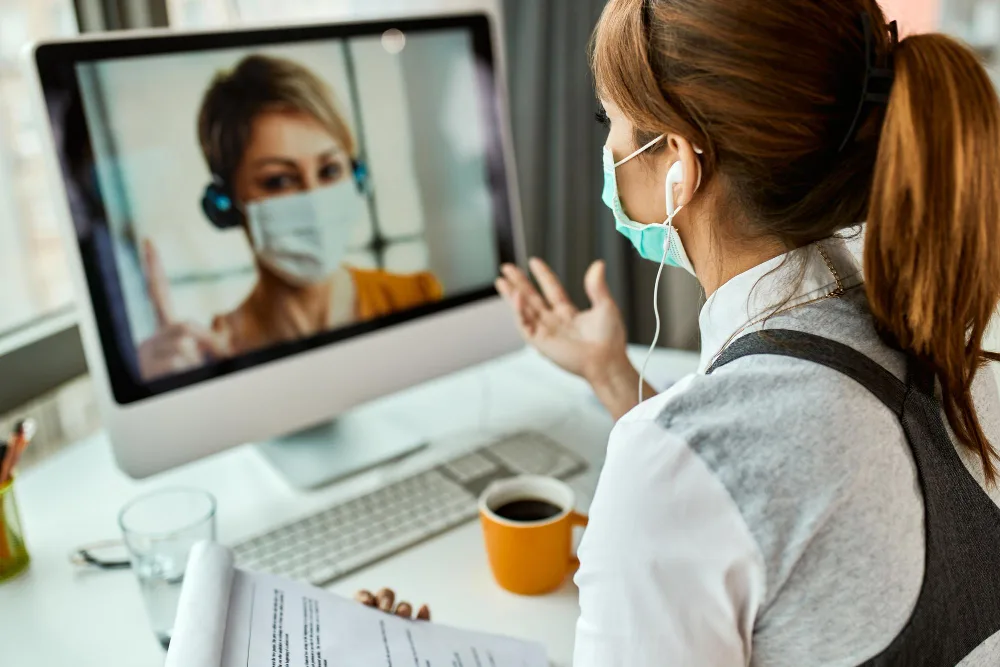
At the start of the visit, the clinician may confirm the patient’s identity, present physical location, emergency contact information, and ability to speak privately. These checks support legal compliance, confidentiality, and local safety planning.
The middle of the appointment focuses on the clinical purpose. A first evaluation may cover a broad history. A medication review may focus on benefit, side effects, adherence, sleep, vital signs, and changes since the previous visit.
The final minutes should provide direction. The patient should understand what was decided, what information is still needed, what to monitor, and whether a follow-up appointment or another type of care is recommended.
Designing a Private Space for an Honest Conversation
The room selected for a virtual psychiatric appointment can affect the usefulness of the entire visit. A patient may technically connect from almost anywhere, but not every location is suitable for a confidential clinical conversation.
A private bedroom, study, or quiet home office is usually more appropriate than a shared living area. The door should be closed when possible, interruptions should be limited, and household members should know that the appointment requires privacy.

Patients who cannot find privacy at home sometimes consider a parked vehicle. This can be workable when the vehicle is safely parked, the temperature is comfortable, the internet connection is stable, and the patient is not preparing to drive.
A moving vehicle is not an appropriate setting. Driving divides attention, creates safety concerns, and prevents the patient from participating fully. Public spaces such as cafés, waiting rooms, building lobbies, and shared workstations also create confidentiality risks.
Device privacy matters too. Password protection, closed notifications, headphones, and a secured wireless connection can reduce accidental exposure. Patients using a shared computer should remember to close the appointment window and protect any downloaded documents.
What GraceBridge Psychiatry PLLC Can Address Through Video
Telepsychiatry may support several kinds of outpatient psychiatric care. A comprehensive psychiatric evaluation can explore symptoms, history, functioning, previous treatment, medical context, and safety before recommendations are made.
Medication management can be completed through video when the clinician has enough information to make responsible decisions. The visit may include medication reconciliation, review of benefits and side effects, discussion of adherence, and planning for additional monitoring.
Personalized treatment planning can organize several concerns into a sequence. It may identify which issue should be addressed first, which intervention is most reasonable, and how success will be evaluated.
Preventive care may focus on early changes in sleep, stress, concentration, mood, or routines before those changes become more disruptive. A second-opinion consultation may review an existing diagnosis or treatment history from a fresh clinical perspective.
The format has limits. A physical examination, laboratory test, emergency assessment, neurological evaluation, or higher level of care cannot be replaced simply by opening a video link.
What Makes an Initial Online Psychiatric Evaluation Thorough
A first psychiatric appointment is usually broader than a routine follow-up. The clinician may ask what led the patient to seek care now, when the symptoms began, how they changed, and how they affect work, relationships, sleep, self-care, and decision-making.
The evaluation may cover previous diagnoses, counseling, hospital treatment, medication trials, allergies, side effects, medical conditions, family mental health history, substance use, and major life events.
The clinician may complete parts of a mental status examination through conversation and observation. Speech, attention, organization, mood, emotional range, thought process, insight, and orientation may all provide useful information.
A diagnosis should not be forced when the available information is incomplete. Records, questionnaires, laboratory information, primary care input, or another appointment may be needed before the picture is clear.
The value of a thorough virtual evaluation is not speed. It is the ability to connect details that might otherwise be considered separately and use them to guide an appropriate plan.
How Medication Management Works During an Online Appointment
Virtual medication management is more than asking whether the prescription is finished. The clinician may review the reason the medication was started, whether it targets the correct symptom, how consistently it is taken, and whether the benefit is meaningful.
Side effects should be described specifically. Fatigue, nausea, headaches, restlessness, appetite changes, sexual side effects, weight changes, emotional blunting, dizziness, or sleep disruption may affect whether the medication remains suitable.

The clinician may request blood pressure, heart rate, weight, laboratory results, or medical follow-up depending on the medication and the patient’s health history. Some of that information may need to come from primary care or another medical setting.
Virtual prescribing follows clinical and legal requirements. The clinician may continue an existing medication, change the dose, recommend a different approach, request more information, or decide that prescribing is not appropriate.
Patients should not assume that a refill request replaces follow-up. Continued medication often requires a review of response, risk, interactions, adherence, and monitoring.
Why Telepsychiatry Fits the Practical Realities of Sugar Land
Sugar Land is closely connected to the broader Houston metropolitan area. Patients may commute to the Texas Medical Center, downtown Houston, the Energy Corridor, nearby schools, airports, or workplaces across Fort Bend and Harris counties.
A psychiatric appointment can therefore involve more than the scheduled clinical time. Travel, parking, traffic, childcare, and time away from work may turn one appointment into a major disruption.
A secure online visit can reduce that burden. It may be especially useful for professionals, business owners, healthcare workers, educators, parents, and caregivers whose schedules leave little room for cross-city travel.
Virtual access can also support continuity during periods of heavy rain, extreme heat, or unexpected family responsibilities. The appointment still requires privacy and preparation, but it removes several barriers that are unrelated to clinical care.
Local relevance should be practical rather than decorative. Telepsychiatry serves Sugar Land patients best when it makes responsible follow-up easier without reducing the quality of the clinical conversation.
Technology That Supports Clinical Quality Instead of Distracting From It
A patient does not need advanced equipment, but the device must support stable audio and video. A smartphone may work well, while a laptop or tablet can provide a larger view and make written information easier to review.
The camera should remain steady. Placing the device on a table or stand is usually better than holding it throughout the visit. Good lighting should make the face visible without placing a bright window directly behind the patient.
Clear audio is essential. Headphones may reduce echo and improve privacy, but the microphone should be tested before the appointment. Other streaming services and large downloads should be paused when they weaken the connection.
If the video repeatedly freezes or the audio becomes difficult to understand, the clinician may not have enough information to continue responsibly. Reconnecting or rescheduling may be more appropriate than completing a poor-quality assessment.
Technology is successful when it becomes almost invisible. The patient’s attention should remain on the clinical discussion rather than on managing the device.
Confidentiality, Consent, and Shared Household Boundaries
Psychiatric care is generally confidential, subject to legal, ethical, operational, and safety-related exceptions. The virtual format does not remove those protections, but it creates additional responsibilities for the patient and the practice.
Patients should know who is present in the room and whether anyone can hear the conversation. A spouse, relative, or support person should not join silently or remain off camera without the clinician’s awareness.
When another person participates, the clinician may clarify their identity, role, and reason for joining. The patient may also be asked whether they consent to discussing personal information in that person’s presence.
Part of the appointment may be completed privately. This gives the patient an opportunity to describe symptoms, relationships, substance use, safety concerns, or medication difficulties without pressure from another person.
Consent also involves understanding the nature of telepsychiatry, its limitations, and what happens when technology or safety concerns prevent the visit from continuing.
Privacy is part of clinical quality
A secure platform cannot compensate for a room where the patient is being overheard, interrupted, or pressured by another person.
When a Family Member or Trusted Support Person Can Help
A trusted person can sometimes provide useful context. They may describe changes in sleep, behavior, spending, communication, medication adherence, or daily functioning that the patient has difficulty recognizing.
Support may also be practical. A family member may help organize medication information, locate records, remember follow-up instructions, or provide transportation if in-person care becomes necessary.
Participation should remain respectful. The support person should not dominate the conversation, answer every question for the patient, or pressure the patient toward a particular treatment.
The patient’s voice remains central. The clinician may compare the patient’s report with collateral information, but clinical decisions should consider the entire picture rather than automatically accepting one person’s account.
Virtual technology can make it easier for a trusted person in another location to join, provided consent, identity, privacy, and clinical usefulness are established.
Why Physical Location and Emergency Planning Matter Online
Telepsychiatry may occur through a screen, but the patient remains physically located in a real community with local emergency services, pharmacies, hospitals, and legal requirements.
The clinician may confirm the patient’s address or current location at the beginning of the appointment. A patient who normally lives in Sugar Land but is visiting another state may not be eligible to receive care under the same arrangements.
Safety questions may include suicidal thoughts, self-harm, aggression, severe impulsivity, psychosis, intoxication, withdrawal, access to weapons, or inability to care for basic needs.
When immediate danger is present, a routine virtual visit is not enough. The clinician may recommend emergency services, the nearest emergency department, or another urgent local resource.
A safety plan may identify trusted contacts, local options, warning signs, and clear instructions about what to do if the situation worsens after the appointment.
The appointment is virtual; emergency response is local
Physical location must be known because licensing, pharmacy access, and urgent intervention are connected to where the patient is during the visit.
How Virtual Follow-Up Builds a More Accurate Long-Term Picture
Psychiatric care often becomes more informative over time. A single appointment provides a snapshot, while a series of follow-ups can reveal patterns in sleep, mood, attention, energy, medication response, and functioning.
The clinician can compare the patient’s current presentation with previous visits. Changes in speech, organization, emotional range, restlessness, or concentration may become more noticeable when there is a consistent baseline.
Follow-up timing depends on the treatment. A recent medication change may require closer review. A stable plan may allow longer intervals. New side effects, major stressors, pregnancy, medical changes, or worsening symptoms may require an earlier appointment.
Consistency also reduces reactive care. Instead of waiting until symptoms become severe, the clinician and patient can respond to smaller changes before they create larger disruption.
Virtual access can improve continuity when travel would otherwise cause missed visits, but it still depends on attendance, preparation, and honest communication.
Connecting Virtual Psychiatry With Primary Care and Other Services
Mental health symptoms sometimes overlap with medical conditions. Thyroid disorders, anemia, chronic pain, hormonal changes, sleep apnea, neurological conditions, and medication effects can influence mood, concentration, energy, and sleep.
The psychiatric clinician may recommend primary care follow-up, laboratory testing, vital-sign monitoring, or consultation with another specialist. This does not dismiss the psychiatric concern. It strengthens the evaluation by considering the wider health picture.
Patients should report new prescriptions from other clinicians, even when those medications do not appear related to mental health. Interactions, duplication, sedation, blood pressure changes, and sleep effects may influence the psychiatric plan.
Clear responsibility matters. The treatment plan should identify which clinician is monitoring laboratory results, vital signs, refills, and medical concerns.
Coordination should be targeted. The aim is not to create unnecessary appointments, but to connect the information needed for safe and effective care.
Making Virtual Care Work Around Employment, School, and Family Life
Telepsychiatry is often selected because it is easier to fit into a busy day, but an appointment still requires protected time. Joining while answering work messages, supervising children, preparing food, or completing errands can weaken the clinical conversation.
Patients may benefit from placing the appointment on the calendar as a private commitment, allowing a short buffer beforehand, and avoiding immediate return to a high-pressure task afterward.

Parents and caregivers may need to arrange temporary support so they can speak without interruption. Students may need to avoid joining from shared study spaces. Employees may need to reserve a private room or schedule outside active work duties.
The goal is not perfect silence. It is enough stability and privacy to discuss sensitive information, understand recommendations, and make decisions without distraction.
When the appointment becomes part of a repeatable routine, preparation takes less effort and follow-up becomes more consistent.
Using Virtual Psychiatry Within a Wider Wellness Strategy
Psychiatric treatment may include medication and diagnosis, but daily habits still affect how symptoms are experienced. Sleep timing, caffeine, alcohol, physical activity, social connection, stress, and work boundaries can influence treatment response.
A virtual appointment can connect these factors to specific clinical goals. The clinician may ask whether poor sleep is worsening anxiety, whether isolation is affecting depression, or whether inconsistent meals and hydration are contributing to fatigue.
Wellness recommendations should be concrete. A patient should understand which change matters, why it matters, and how it will be reviewed.
Virtual care may also support coordination with therapy, primary care, sleep treatment, or another service. The psychiatric plan should identify how those pieces fit together rather than presenting unrelated advice.
The purpose is not to make the patient responsible for solving a clinical condition through lifestyle alone. It is to strengthen the treatment plan with realistic supports.
Records, Pharmacy Details, and Information That Prevents Delays
Accurate information makes virtual care more efficient. Patients should confirm the pharmacy name, branch, city, and contact details because many pharmacy chains have several nearby locations.
Previous psychiatric notes, medication lists, discharge summaries, laboratory reports, and primary care records may help the clinician understand what has already been tried.
A complete medication list should include prescriptions, supplements, over-the-counter products, injections, inhalers, and medications used only when needed. Recently discontinued medications may also matter.
Patients who cannot remember a dose should keep the bottle nearby or take a clear photograph before the visit. Guessing can create safety problems.
Records do not need to be perfect before care begins, but missing information should be identified openly so the clinician can decide whether treatment can proceed or whether more documentation is needed.
How to Know Whether Telepsychiatry Is Working Well for You
The virtual format should leave the patient with a clearer understanding of the concern, the recommendation, and the next step. Communication should be clear enough for questions, safety assessment, and treatment decisions.
The patient should be able to speak without being overheard. The clinician should be able to observe the patient adequately, review necessary information, and explain the plan without repeated technical interruption.
Telepsychiatry is not working well when privacy is consistently poor, internet problems prevent meaningful conversation, the patient cannot operate the platform, or important assessment needs require in-person care.
These problems should be discussed directly. Another device, a different location, a new appointment time, or an in-person referral may provide a better solution.
Convenience and quality should support each other. Convenience alone is not enough.
Virtual care should earn its place
The format is appropriate only when it supports careful assessment, privacy, communication, continuity, and safe decision-making.
What to Do After a Telepsychiatry Appointment
The period after a virtual psychiatric visit is part of the treatment process. Before closing the appointment window, confirm that you understand the recommendation, the medication instructions when applicable, the expected follow-up date, and the symptoms or side effects that require earlier contact.
Keep written instructions in a secure place and update your medication list if the plan changed. When laboratory testing, primary care follow-up, therapy, or records are requested, note which step should happen first and who is responsible for arranging it.
Do not wait until the next routine appointment to report a serious medication reaction, a major change in mood, rapidly worsening symptoms, pregnancy, or a new prescription from another clinician. Timely communication gives the psychiatric provider a better opportunity to review the plan before the situation becomes more complicated.
A brief personal record can also make the next visit more useful. Track the changes most closely connected to the treatment goal, such as sleep, panic frequency, concentration, mood stability, appetite, energy, or side effects. The record does not need to be elaborate. Consistent, specific observations are more valuable than trying to remember several weeks of changes during the follow-up appointment.
The visit ends, but the care plan continues
Clear instructions, timely follow-through, and simple symptom tracking help turn a virtual conversation into an organized course of care.
Ready to request a secure virtual psychiatric appointment?
Connect with GraceBridge Psychiatry PLLC from a private location in Sugar Land or elsewhere in Texas.
Frequently Asked Questions About Telepsychiatry in Sugar Land
These answers provide general guidance. Your appointment structure and recommendations will depend on your clinical needs, location, technology, and the clinician’s judgment.
A telepsychiatry virtual visit is a scheduled psychiatric appointment completed through secure video. It may include assessment, medication review, treatment planning, education, and follow-up when online outpatient care is clinically appropriate.
Yes. Eligible patients may attend from a private location in Sugar Land or elsewhere in Texas as long as they are physically located in Texas at the time of the appointment.
An initial evaluation may be completed virtually when the clinician determines that video care provides enough information and the patient’s technology, privacy, location, and safety needs are suitable.
A smartphone, tablet, laptop, or desktop computer with a working camera and microphone may be used. A larger screen can make records and instructions easier to review, but it is not always required.
Choose a room where you are unlikely to be overheard, use a secured device and internet connection, silence notifications, and avoid joining from a workplace, public area, or moving vehicle.
Medication may be prescribed when it is clinically appropriate, legally permitted, and supported by the evaluation. An appointment does not guarantee medication, a controlled medication, or a particular prescription.
Prepare your medication list, pharmacy details, identification, relevant records, recent health information, and a short list of symptoms, changes, and questions you want to discuss.
The practice may attempt to reconnect, use an approved backup process, or reschedule. The visit should not continue in a way that reduces privacy, safety, or clinical quality.
A trusted person may sometimes participate with your consent when their information or support is clinically useful. The clinician may still request private time with the patient.
Appointment length and follow-up frequency depend on the purpose of the visit, symptom complexity, medication changes, treatment response, and safety needs.
Telepsychiatry may support several outpatient psychiatric concerns, including anxiety, depression, ADHD, bipolar disorder, PTSD, OCD, panic disorder, and insomnia, when virtual care is appropriate.
No. Routine virtual outpatient care is not an emergency service. Immediate danger, severe confusion, violent behavior, or thoughts of harming yourself or another person require urgent local assistance.
Yes. Coordination may be recommended when medical conditions, laboratory findings, pregnancy, pain, sleep problems, vital signs, or medications from another clinician affect psychiatric care.
Use the request appointment page and submit the required information. The practice can then review scheduling, payment, preparation, location, and whether the requested service appears suitable.
Telepsychiatry in Sugar Land, TX
Access secure virtual evaluation, medication management, education, treatment planning, and psychiatric follow-up.