
Pet Grief Support: How to Cope After Losing a Pet
Pet grief support for the deep pain of losing a pet: why it hurts so much, disenfranchised grief, guilt after euthanasia, coping steps, resources and when to get help.
Pet grief support recognizes that losing a pet can hurt as much as losing a person. Grief may include sadness, guilt (especially after euthanasia), loneliness, disrupted routines and feeling that others do not understand. Helpful steps include acknowledging the loss, creating a memorial, keeping routines, talking to understanding people, using pet loss hotlines or support groups, and seeking counseling if grief becomes overwhelming or prolonged.
Key takeaways
- Pet loss grief is normal and can be intense.
- It is often disenfranchised: not fully recognized by others.
- Guilt after euthanasia is very common and usually unwarranted.
- Rituals and memorials help.
- Professional help is appropriate if grief lingers or triggers depression.
Your pet was family: the one who greeted you at the door, sat with you on hard days and shaped your daily routines. When they die, the silence can be overwhelming. And when others say “it was just a pet,” the loneliness of grief deepens.
This guide offers pet grief support: why it hurts so much, common reactions, how to cope, resources and when to seek help. See also grief counseling.
Why losing a pet hurts so much
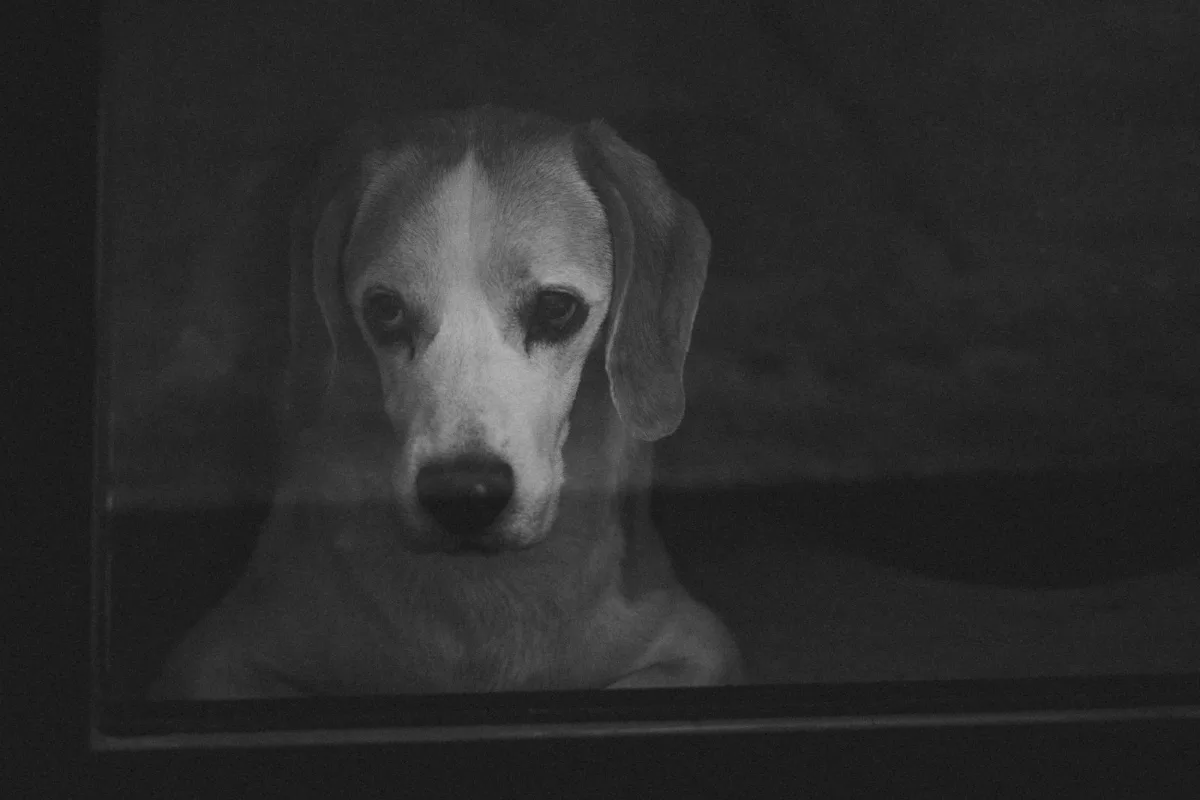
Pets offer unconditional love, companionship and structure. They are woven into daily life: walks, feeding, bedtime routines. Research shows the human-animal bond activates attachment systems similar to human relationships, so the loss can trigger intense grief, especially for people who live alone, older adults, children and those whose pet helped them through hard times.
Common grief reactions after pet loss
- Deep sadness and crying
- Guilt: “Did I miss something? Did I choose euthanasia too soon or too late?”
- Anger at yourself, the vet or the situation
- Loneliness and disrupted routine
- Expecting to see or hear your pet
- Sleep and appetite changes
- Feeling misunderstood by others
Guilt after euthanasia
Choosing euthanasia is one of the hardest decisions pet owners face. Guilt is extremely common, even when the decision was made out of love to prevent suffering. It can help to remember that you made the best decision you could with the information you had, and that sparing your pet pain was an act of care.
How to cope with pet loss
Acknowledge the loss
Your grief is valid, whatever others say.
Create a memorial
A photo album, planting a tree, a paw print or a small ceremony.
Keep gentle routines
Walks or time outdoors can help, even without your pet.
Talk to people who understand
Fellow pet owners, online groups or pet loss hotlines.
Support children and other pets
Be honest with children; other pets may grieve too.
Wait before a new pet
Take time until it feels right, not to replace your pet.
Pet grief support resources
- Veterinary school pet loss support hotlines (many universities offer free lines)
- Online and local pet loss support groups
- Your veterinarian, who can often recommend resources
- Counselors experienced in grief
When to get professional help
Seek help if grief remains intense for many months, you cannot function, you feel hopeless, or the loss triggers depression or anxiety. If you have thoughts of suicide, call or text 988.
How GraceBridge Psychiatry can help
GraceBridge Psychiatry provides secure online psychiatric care for adults in Texas, Arizona and Washington. Care starts with a comprehensive psychiatric evaluation, followed by a personalized treatment plan that may include therapy referrals, lifestyle strategies and medication management when appropriate. Most new patients are seen within days. See insurance we accept and self-pay pricing.
- Free consultation call: tell us what is going on.
- Book your evaluation: meet a board-certified provider by secure video.
- Get your plan: clear next steps and follow-up until you feel better.
Frequently asked questions
Is it normal to grieve a pet this much?
Yes. Pet loss can cause grief as intense as losing a person.
How long does pet grief last?
It varies. Many feel acute grief for weeks to months, with lingering sadness on anniversaries.
What is disenfranchised grief?
Grief that is not fully acknowledged by society, which often applies to pet loss.
Why do I feel guilty after euthanizing my pet?
Guilt is common; remember that euthanasia is often an act of love to prevent suffering.
How can I cope with losing a pet?
Acknowledge your grief, create a memorial, keep routines and talk to people who understand.
Are there pet loss hotlines?
Yes. Many veterinary schools offer free pet loss support lines.
How do I help my child grieve a pet?
Be honest, use clear language, let them express feelings and involve them in a memorial.
Do other pets grieve?
Some pets show changes in behavior after losing a companion.
When should I get a new pet?
When you feel ready, not to replace your pet but to welcome a new bond.
Can pet loss cause depression?
Yes, especially with other stressors or for people who live alone.
Is grief counseling available for pet loss?
Yes. Many counselors support pet loss.
How do I memorialize my pet?
Photo albums, planting a tree, keepsakes, donations to shelters or a small ceremony.
What do I say to someone who lost a pet?
Acknowledge their loss, say the pet’s name and share a memory.
Can pet grief come back on anniversaries?
Yes. Waves of grief often return on meaningful dates.
When should I see a professional?
When grief is overwhelming, prolonged or comes with depression or hopelessness.
Sources
- American Veterinary Medical Association. Pet Loss
- Cleary M, et al. Grieving the loss of a companion animal. Death Stud. 2022;46(9):2167-2178.
- Doka KJ. Disenfranchised Grief. Lexington Books; 1989.