
Health Anxiety: Signs, Causes and When to Get Help
Health anxiety means constant worry about being seriously ill. Learn the signs, causes, the Google-symptom trap, and treatments that help you stop the cycle.
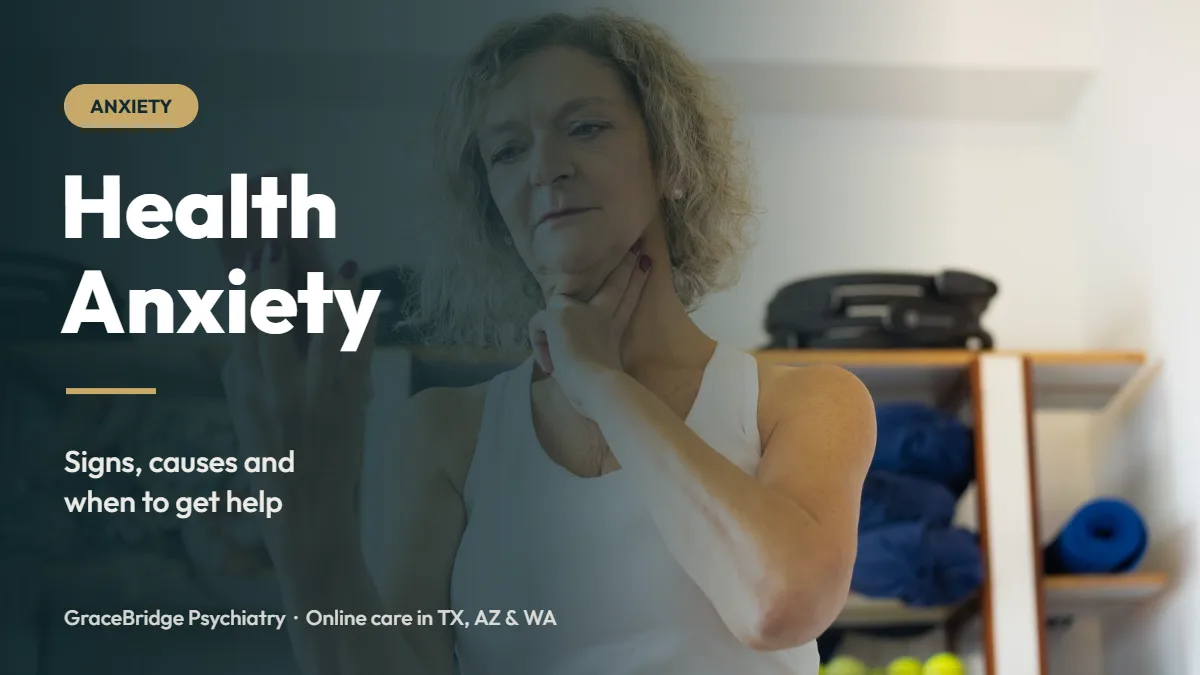
Health anxiety (illness anxiety) is persistent, excessive worry that you have or will get a serious illness, despite reassurance from doctors or normal tests. Signs include frequent body checking, searching symptoms online, repeated doctor visits or avoiding them, and seeking reassurance. It affects around 4% to 6% of people and responds well to CBT and, when needed, medication.
Key takeaways
- Health anxiety is a real, common and treatable anxiety condition.
- Checking, Googling and reassurance-seeking bring relief but keep the cycle going.
- It can include avoiding doctors as well as visiting them often.
- Medical problems should still be checked, then a plan made with one trusted provider.
- CBT is the first-line treatment; SSRIs can help too.
A headache becomes a brain tumor. A skipped heartbeat becomes heart disease. A mole, a twinge or a tingling hand sends you straight to Google, and an hour later you are convinced something is terribly wrong. Your doctor says your tests are normal, and you feel relief, for a day or two.
If this sounds familiar, you may be dealing with health anxiety. It is common, it is exhausting, and it is very treatable. This guide explains the signs, why it happens, the role of “Dr. Google,” and how to break the cycle.
What is health anxiety?
Health anxiety is an umbrella term for excessive worry about health. In diagnostic terms it includes illness anxiety disorder (preoccupation with having a serious illness with few or no physical symptoms) and somatic symptom disorder (distressing physical symptoms with excessive thoughts and behaviors about them). Both are recognized conditions in the DSM-5. Health anxiety can also be part of generalized anxiety, panic disorder or OCD.
Signs of health anxiety
- 01Thoughts
Constant worry about illness
Fear of cancer, heart disease, MS or other serious conditions.
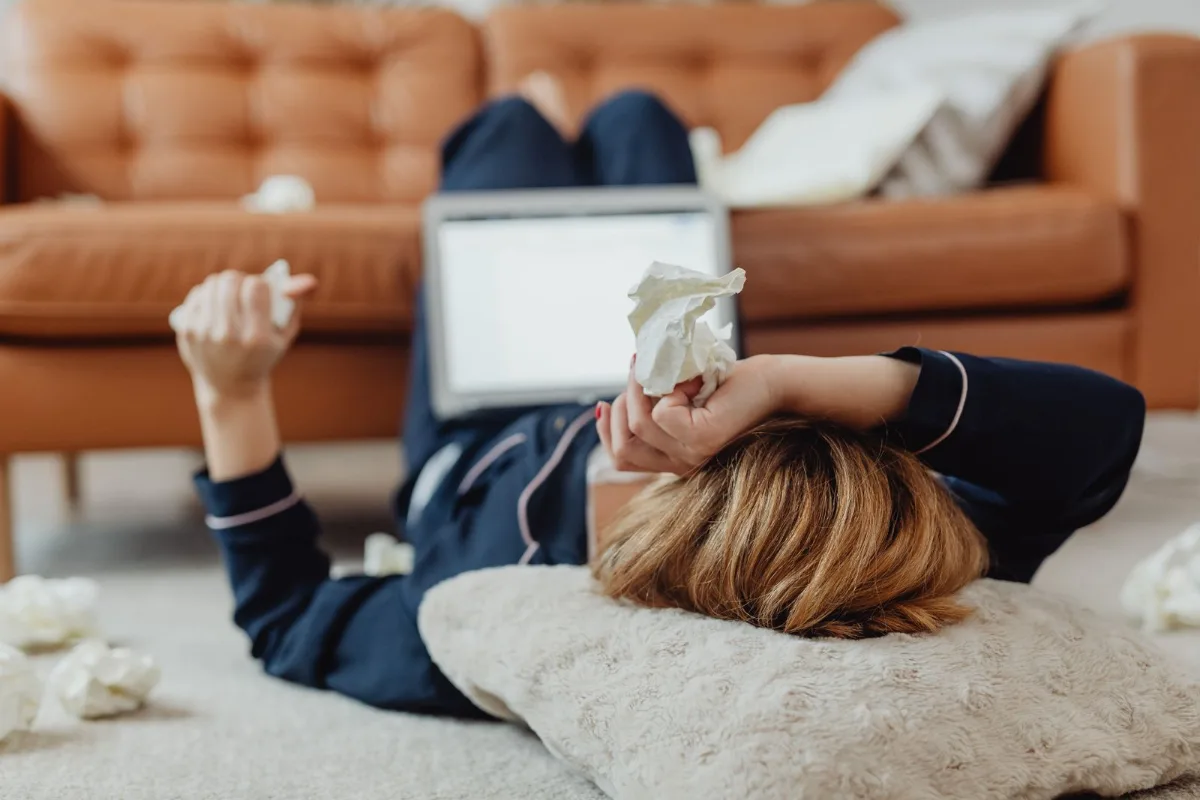
Searching symptoms online usually increases health anxiety rather than easing it. - 02Thoughts
Catastrophizing sensations
Normal body feelings are interpreted as signs of disease.
- 03Behavior
Body checking
Checking pulse, skin, lumps or blood pressure many times a day.
- 04Behavior
Googling symptoms
Hours of research that leave you more frightened.
- 05Behavior
Reassurance seeking
Asking family or doctors again and again if you are okay.
- 06Behavior
Doctor shopping or avoidance
Frequent appointments and tests, or avoiding doctors out of fear.
- 07Emotion
Short-lived relief
Normal results help for a moment, then a new worry starts.
- 08Body
Physical anxiety symptoms
Racing heart, tension and stomach upset, which fuel more worry.
The health anxiety cycle
Body sensation → worrying thought (“What if it is serious?”) → anxiety (which creates more sensations) → checking, Googling or reassurance → brief relief → heightened attention to the body → the cycle repeats. Treatment works by changing the checking and reassurance habits and testing the frightening predictions.
What causes health anxiety?
- A serious illness in yourself or a loved one, especially in childhood
- A frightening medical experience or misdiagnosis
- Family members who worried a lot about health
- A generally anxious temperament or intolerance of uncertainty
- Stress, major life changes or a recent pregnancy
- Health news and online information
Who is affected?
Health anxiety affects people of all ages, often starting in early to middle adulthood. It is common among people with other anxiety disorders, depression or OCD, and among healthcare workers and new parents. It can also occur alongside real medical conditions.
How to manage health anxiety day to day
Pick one trusted provider
Get appropriate checkups, then agree on a plan for when to seek care.
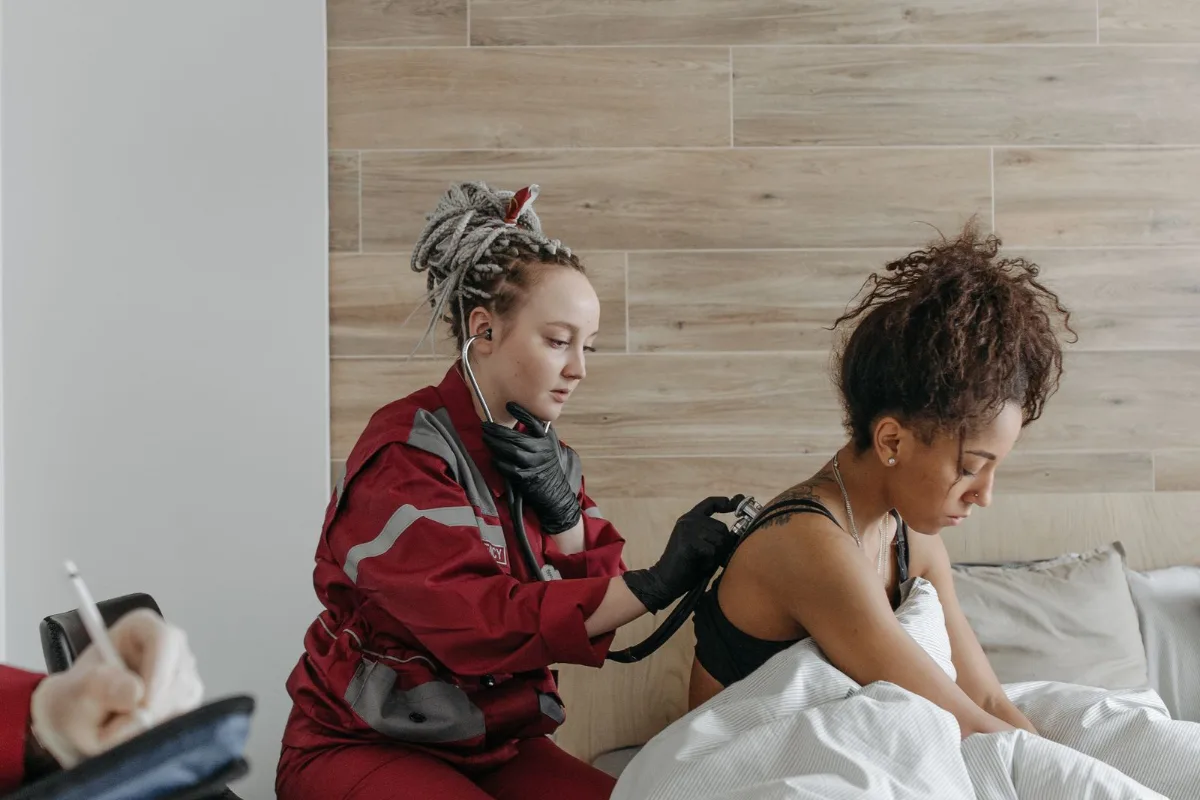
Reassurance from tests brings brief relief, but the worry usually returns. Reduce checking gradually
Set limits, then cut them back each week.
Stop the symptom searches
Delay Googling, then drop it. Uncertainty becomes easier to tolerate with practice.
Limit reassurance
Ask loved ones to respond kindly but without repeated reassurance.
Notice and name the thought
“This is my health anxiety talking,” not a medical fact.
Lower baseline anxiety
Exercise, sleep, less caffeine and breathing practice.
Treatment for health anxiety

- Cognitive behavioral therapy (CBT): the first-line treatment. It addresses catastrophic thinking, reduces checking and reassurance-seeking, and includes gentle exposure to uncertainty. Internet-delivered CBT also works well.
- Medication: SSRIs can reduce health anxiety, especially when it is severe or comes with depression, panic or OCD. A psychiatric provider can help through medication management.
- Treating co-occurring conditions such as panic, depression or insomnia.
When to get help
Seek help if health worries take up a lot of time, cause significant distress, lead to frequent checking or doctor visits (or avoidance), or affect work and relationships. Always seek medical care for new, severe or worsening physical symptoms. GraceBridge Psychiatry offers online anxiety care for adults in Texas, Arizona and Washington.
Quick health anxiety self-check
Answer based on the past month.
Frequently asked questions
What is health anxiety?
Health anxiety is persistent, excessive worry about having or developing a serious illness despite medical reassurance.
What are the symptoms of health anxiety?
Constant illness worry, misinterpreting body sensations, body checking, searching symptoms online, reassurance seeking, frequent doctor visits or avoidance, and anxiety symptoms like a racing heart.
Is health anxiety a mental illness?
Yes. It is recognized as illness anxiety disorder or somatic symptom disorder and is treatable.
What causes health anxiety?
Past illness in yourself or loved ones, frightening medical experiences, family patterns, an anxious temperament, stress and health information online can all contribute.
Why does Googling symptoms make anxiety worse?
Searches often show rare, serious causes and conflicting information, which increases fear and the urge to keep checking.
Can health anxiety cause physical symptoms?
Yes. Anxiety causes real symptoms like palpitations, chest tightness, tingling, stomach upset and dizziness, which can feed more worry.
How do I stop health anxiety?
Reduce checking and reassurance-seeking gradually, stop symptom searches, use one trusted provider, manage overall anxiety and consider CBT.
What is the best treatment for health anxiety?
Cognitive behavioral therapy is the first-line treatment. SSRIs can also help, especially for severe symptoms.
Can health anxiety go away?
Yes. With treatment many people experience large and lasting improvement.
Is health anxiety related to OCD?
They overlap. Repetitive checking and reassurance-seeking can look like OCD, and some people have both.
What if I really am sick?
Health anxiety and real illness can coexist. Get appropriate medical evaluation, then make a plan with your provider for when to seek further care.
Can health anxiety cause panic attacks?
Yes. Fear of a medical emergency often triggers panic attacks, which can feel like a heart problem.
How do I help someone with health anxiety?
Be supportive, encourage professional help, and gently limit repeated reassurance, which keeps the cycle going.
Can I get treatment for health anxiety online?
Yes. CBT and psychiatric care for health anxiety work well by telehealth.
When should I see a professional for health anxiety?
When worry takes up significant time, causes distress, or affects your work, relationships or medical care.
Sources
- American Psychiatric Association. DSM-5-TR: Illness Anxiety Disorder and Somatic Symptom Disorder.
- Tyrer P, et al. Clinical and cost-effectiveness of cognitive behaviour therapy for health anxiety in medical patients. Lancet. 2014;383(9913):219-225.
- Axelsson E, Hedman-Lagerlöf E. Cognitive behavior therapy for health anxiety: systematic review and meta-analysis. Expert Rev Pharmacoecon Outcomes Res. 2019;19(6):663-676.
- NHS. Health anxiety
One Response