
Moral Scrupulosity OCD: Signs, Causes and When to Get Help
Moral scrupulosity OCD causes intense fear of being a bad person, lying or sinning, with compulsions like confessing and reviewing. Learn the signs, causes and effective treatment.
Moral scrupulosity OCD is a form of OCD centered on intense, unwanted fears of being immoral, dishonest, unfair or a bad person. It causes obsessive doubt and guilt, plus compulsions such as excessive confessing, apologizing, mentally reviewing past actions, seeking reassurance or overcorrecting. Religious scrupulosity is a related form focused on sin and faith. It is treated with ERP therapy, often with SSRIs.
Key takeaways
- Scrupulosity targets core values, which is why it feels so distressing.
- People with scrupulosity often have very high moral standards.
- Compulsions include confessing, apologizing, reviewing and reassurance seeking.
- ERP helps people tolerate moral uncertainty without rituals.
- Faith leaders can be valuable partners for religious scrupulosity.
Did I lie by leaving out that detail? Was I unfair to my coworker? Am I secretly a bad person? If you constantly replay your actions, confess small things, and feel crushing guilt over what others would see as trivial, you may be dealing with moral scrupulosity OCD.
This guide explains what scrupulosity is, its signs, why it happens and how it is treated. See also ERP for OCD and OCD treatment.
What is moral scrupulosity?
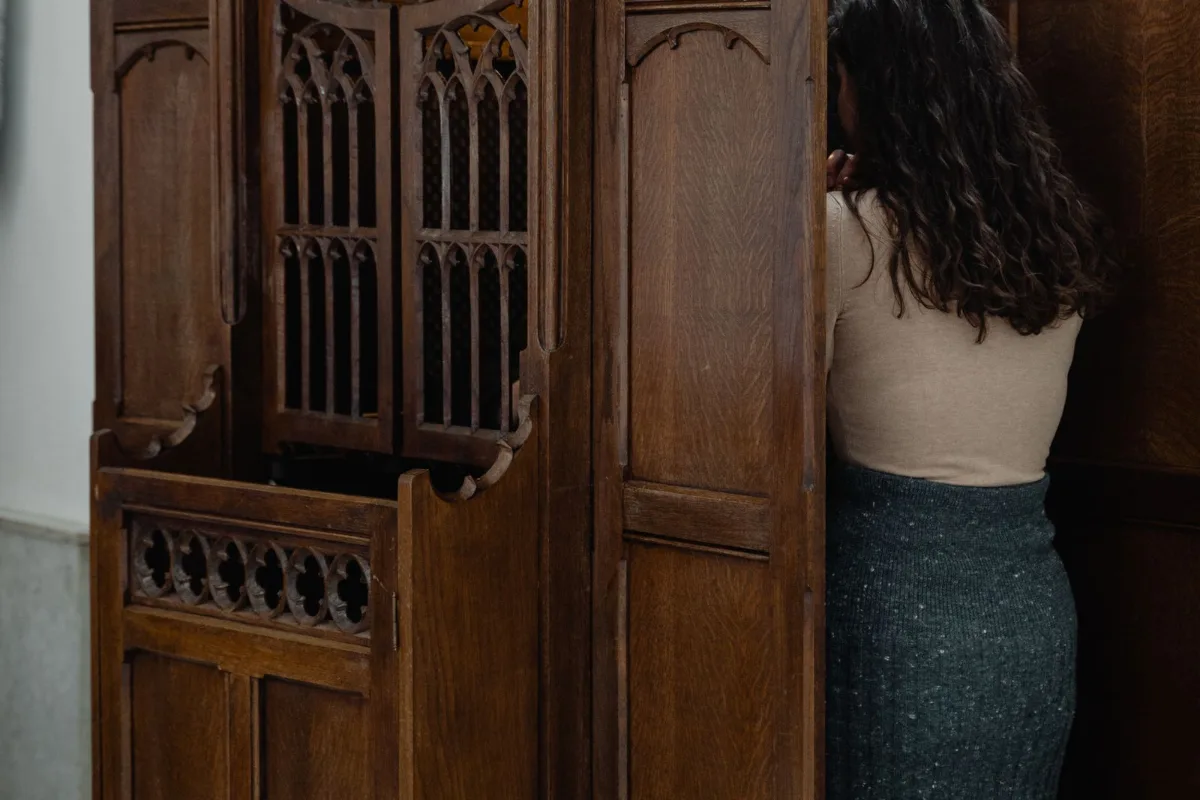
Scrupulosity is a subtype of OCD in which obsessions focus on morality, ethics or religion. In moral scrupulosity, fears center on honesty, fairness, harm and character, regardless of religious belief. In religious scrupulosity, fears center on sin, blasphemy, prayer being “correct” or divine punishment. People with scrupulosity are typically deeply conscientious; OCD targets what they care about most.
Signs of moral scrupulosity OCD
| Obsessions | Compulsions |
|---|---|
| “Did I lie or mislead someone?” | Excessive confessing or correcting statements |
| “Was I unfair or did I hurt someone?” | Repeated apologizing |
| “Am I secretly a bad person?” | Mentally reviewing past actions for hours |
| “Did I have an immoral thought?” | Seeking reassurance from friends, family or clergy |
| “Did I do something wrong I cannot remember?” | Checking, researching rules, overcorrecting |
| Fear of sin or punishment (religious) | Repeating prayers, rituals, avoiding places of worship |
Why scrupulosity happens
Like other OCD, scrupulosity involves brain circuits that produce persistent doubt and a feeling that something is “not right.” High personal standards, perfectionism, intolerance of uncertainty, inflated sense of responsibility, stress and genetics contribute. Strict upbringing may shape the themes but does not cause OCD.
How scrupulosity is treated
Exposure and response prevention
Gradually facing moral uncertainty, for example leaving a minor imprecision uncorrected, without confessing or reviewing.
Reducing reassurance
Loved ones and faith leaders learn supportive responses that do not feed the cycle.
Cognitive work
Addressing inflated responsibility and the belief that thoughts equal actions.
Medication
SSRIs help many people with OCD.
Collaboration with faith leaders
For religious scrupulosity, clergy can help distinguish faith from OCD.
When to get help
Seek help if moral doubts and rituals take more than an hour a day, cause intense guilt or distress, or affect work, relationships or faith practice.
How GraceBridge Psychiatry can help
GraceBridge Psychiatry provides secure online psychiatric care for adults in Texas, Arizona and Washington. Care starts with a comprehensive psychiatric evaluation, followed by a personalized treatment plan that may include therapy referrals, lifestyle strategies and medication management when appropriate. Learn more about how we treat OCD. Most new patients are seen within days. See insurance we accept and self-pay pricing.
- Free consultation call: tell us what is going on.
- Book your evaluation: meet a board-certified provider by secure video.
- Get your plan: clear next steps and follow-up until you feel better.
Frequently asked questions
What is moral scrupulosity OCD?
A form of OCD with intense fears of being immoral or a bad person and compulsions like confessing and reviewing.
What is religious scrupulosity?
Scrupulosity focused on sin, blasphemy, prayer or divine punishment.
What are signs of scrupulosity?
Constant guilt, doubt about past actions, excessive confessing, apologizing, mental reviewing and reassurance seeking.
Is scrupulosity a type of OCD?
Yes. It is a recognized OCD subtype.
Does scrupulosity mean I am a bad person?
No. OCD targets what you value most; distress about the thoughts reflects your values.
How is scrupulosity treated?
With ERP therapy, cognitive work, reducing reassurance and sometimes SSRIs.
Can confessing help scrupulosity?
Compulsive confessing brings brief relief but strengthens the cycle.
Can scrupulosity be cured?
Many people improve dramatically with ERP and medication.
Should I involve my religious leader?
For religious scrupulosity, faith leaders can be helpful partners in treatment.
What is the difference between conscience and scrupulosity?
A healthy conscience resolves after reasonable action; scrupulosity brings endless doubt and rituals.
Can scrupulosity affect relationships?
Yes, through constant apologizing, confessing and reassurance seeking.
Is scrupulosity common?
It is a common OCD theme.
Can medication help scrupulosity?
SSRIs help many people with OCD.
Can scrupulosity be treated online?
Yes. ERP and medication management work well by telehealth.
When should I get help?
When doubts and rituals cause significant distress or take up significant time.
Sources
- International OCD Foundation. Scrupulosity
- Abramowitz JS, Jacoby RJ. Scrupulosity: a cognitive-behavioral analysis and implications for treatment. J Obsessive Compuls Relat Disord. 2014;3(2):140-149.
- National Institute of Mental Health. OCD