
Anticipatory Grief: Signs, Causes and When to Get Help
Anticipatory grief is grieving before a loss, often during a loved one’s serious illness. Learn the signs, how it affects caregivers, coping strategies and when to get help.
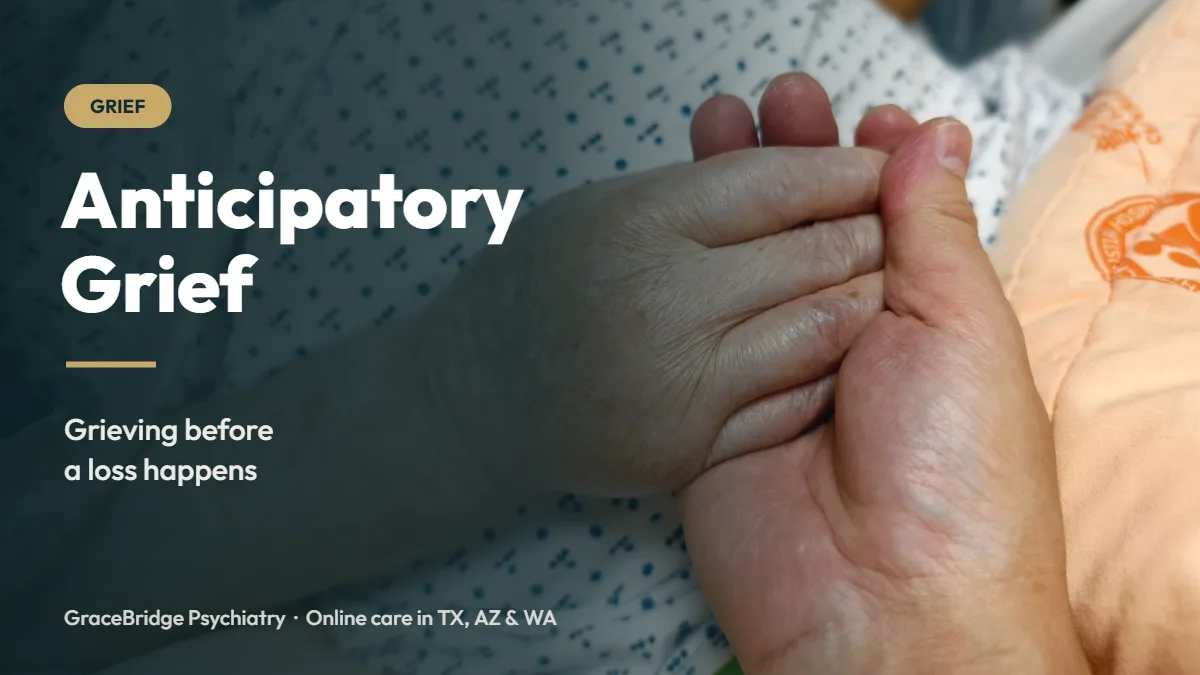
Anticipatory grief is grief that begins before a death or loss, often when a loved one has a terminal or serious illness such as cancer, dementia or ALS. Signs include sadness, anxiety, anger, guilt, exhaustion, imagining life without the person and feeling torn between hope and acceptance. It is normal, especially for caregivers, and support, counseling and self-care help.
Key takeaways
- Anticipatory grief is a normal response to an expected loss.
- It is common in caregivers and families facing terminal illness or dementia.
- It can bring mixed feelings, including guilt and relief.
- It does not necessarily make grief after death shorter or easier.
- Hospice, counseling and support groups help families cope.
Your parent has been diagnosed with a terminal illness, or your partner is slowly changing with dementia. They are still here, yet you already feel the loss: crying in the car, imagining holidays without them, feeling guilty for thinking about it at all. This is anticipatory grief.
This guide explains what anticipatory grief is, its signs, who experiences it, how it differs from grief after death and how to cope. See also grief counseling.
What is anticipatory grief?
Anticipatory grief describes the emotional process of mourning that begins before a loss occurs. It can involve grieving the eventual death, as well as losses already happening: changes in personality, independence, roles, shared plans and the relationship as it once was. In dementia, this is sometimes called ambiguous loss, because the person is physically present but psychologically changing.

Signs of anticipatory grief
- 01Emotion
Sadness and tearfulness
Waves of grief before the loss.
- 02Emotion
Anxiety and dread
Fear about what is coming and how you will cope.
- 03Emotion
Guilt
Feeling guilty for imagining life after, or for wishing suffering would end.
- 04Emotion
Anger and irritability
At the illness, the situation or others.
- 05Body
Exhaustion
Emotional and caregiving fatigue.
- 06Mind
Rehearsing the loss
Imagining the death, the funeral or life without them.
- 07Connection
Withdrawal or closeness
Pulling away or wanting to spend every moment together.
- 08Sleep
Sleep problems
Worry and caregiving disrupt sleep.
Who experiences anticipatory grief?
Family members and partners of people with terminal cancer, heart failure, ALS, dementia or other progressive illnesses; caregivers; people facing their own terminal diagnosis; and parents of children with life-limiting conditions. It can also occur with expected non-death losses, such as a planned move or divorce.
Anticipatory grief vs grief after a loss
| Anticipatory grief | Grief after loss | |
|---|---|---|
| Timing | Before the loss | After the loss |
| Feelings | Mixed: hope, dread, guilt, sadness | Yearning, sadness, acceptance over time |
| Opportunity | Time for conversations, goodbyes, planning | Adjusting to life without the person |
Anticipatory grief does not necessarily make later grief shorter, and some people feel guilty about not grieving “enough” after a long illness. All of these reactions are normal.
How to cope with anticipatory grief
Name what you feel
All emotions, including relief and anger, are valid.
Make meaningful time
Share memories, say what matters, and create small moments together.
Accept help
Hospice, palliative care, respite care and family support.
Look after yourself
Sleep, food, movement and breaks.
Plan practical matters
Advance directives and wishes can reduce later stress.
Talk to someone
A counselor, support group or spiritual advisor.
When to get professional help
Seek help if you feel overwhelmed, hopeless, are not sleeping, are using alcohol to cope, or are experiencing caregiver burnout. Depression and anxiety are common in caregivers and very treatable. See emotional burnout.
How GraceBridge Psychiatry can help
GraceBridge Psychiatry provides secure online psychiatric care for adults in Texas, Arizona and Washington. Care starts with a comprehensive psychiatric evaluation, followed by a personalized treatment plan that may include therapy referrals, lifestyle strategies and medication management when appropriate. Most new patients are seen within days. See insurance we accept and self-pay pricing.
- Free consultation call: tell us what is going on.
- Book your evaluation: meet a board-certified provider by secure video.
- Get your plan: clear next steps and follow-up until you feel better.
Frequently asked questions
What is anticipatory grief?
Grief that begins before a loss, often during a loved one’s serious or terminal illness.
What are the signs of anticipatory grief?
Sadness, anxiety, guilt, anger, exhaustion, rehearsing the loss and sleep problems.
Is anticipatory grief normal?
Yes. It is a common, natural response to an expected loss.
Who experiences anticipatory grief?
Family, partners and caregivers of seriously ill people, and people facing their own terminal diagnosis.
Does anticipatory grief make grief easier later?
Not necessarily. Grief after the loss may still be intense.
Is it normal to feel guilty during anticipatory grief?
Yes. Guilt about imagining life after, or wishing suffering would end, is common.
How do I cope with anticipatory grief?
Name your feelings, make meaningful time, accept help, care for yourself and talk to someone.
Can anticipatory grief happen with dementia?
Yes. It is often called ambiguous loss because the person is present but changing.
Does hospice help with anticipatory grief?
Yes. Hospice offers counseling and support to families before and after a death.
Can anticipatory grief cause depression?
It can trigger depression or anxiety, especially with caregiver strain.
How long does anticipatory grief last?
It can last as long as the illness or anticipated loss.
Can I feel relief when someone dies after a long illness?
Yes. Relief is common and does not mean you loved them less.
How can I support someone with anticipatory grief?
Listen, offer practical help and give them space to express mixed feelings.
Can counseling help anticipatory grief?
Yes. Counseling and support groups help families cope.
When should I get professional help?
When you feel overwhelmed, hopeless, cannot sleep or are using substances to cope.
Sources
- Rando TA. Clinical Dimensions of Anticipatory Mourning. Research Press; 2000.
- National Cancer Institute. Grief, Bereavement, and Coping With Loss (PDQ)
- Boss P. Ambiguous loss: learning to live with unresolved grief. Harvard University Press; 1999.