
What to Do in a Panic Attack: A Simple Step-by-Step Guide
Learn exactly what to do in a panic attack, step by step: breathing, grounding and calming techniques that work in minutes, plus how to prevent future attacks and when to get help.
What to do in a panic attack: (1) remind yourself it is a panic attack and it will pass, (2) slow your breathing by inhaling for 4 seconds and exhaling for 6 to 8, (3) ground yourself using the 5-4-3-2-1 senses technique, (4) relax your muscles and cool down with cold water, (5) stay where you are rather than fleeing, and (6) let the wave peak and fall, usually within 10 minutes.
Key takeaways
- Panic attacks usually peak within 10 minutes and are not physically dangerous.
- Fighting or fleeing a panic attack tends to make it stronger; riding it out weakens it.
- A long, slow exhale activates the body’s calming system within minutes.
- Grounding and cold water help pull your brain out of alarm mode.
- Frequent panic attacks may be panic disorder, which responds very well to CBT and medication.
Your heart suddenly pounds. Your chest tightens, you cannot catch your breath, your hands tingle and a wave of terror tells you something is terribly wrong. Maybe you think you are having a heart attack, going crazy or about to die. Then, minutes later, it fades and leaves you shaken and exhausted.
That is a panic attack, and up to 1 in 4 people will have at least one in their lifetime. Knowing what to do in a panic attack can make it shorter, less frightening and less likely to come back. This guide gives you a simple, step-by-step plan you can use right now, explains why panic attacks happen, and tells you when to get professional help.
What to do during a panic attack: 8 steps
Save this list on your phone. It works best when you have practiced it before you need it.
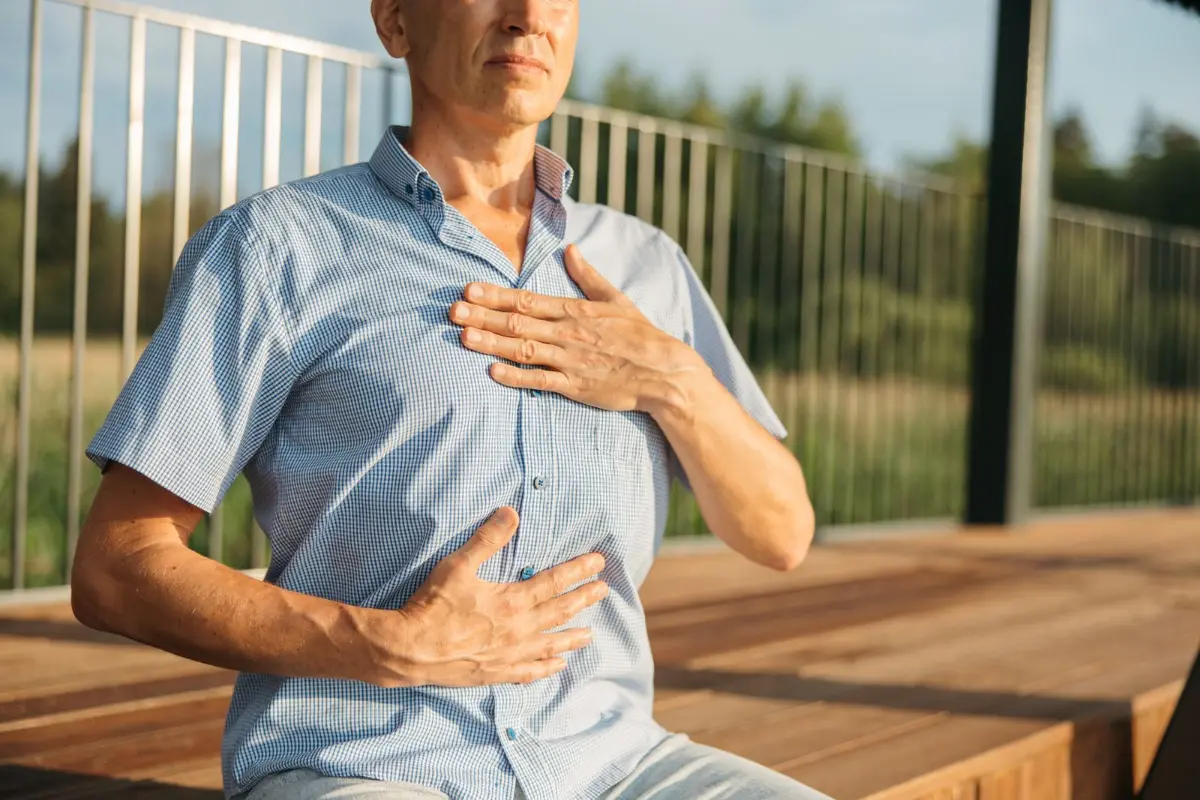
Name it
Tell yourself: “This is a panic attack. It is uncomfortable, but it is not dangerous, and it will pass.” Naming it engages your thinking brain and reduces the fear of the fear.
Slow your breathing
Breathe in gently through your nose for 4 seconds, then out slowly through pursed lips for 6 to 8 seconds. A long exhale activates the vagus nerve and the parasympathetic “rest and digest” system. Repeat for 2 to 5 minutes. Avoid deep gulps of air, which can worsen dizziness.
Ground yourself with 5-4-3-2-1
Name 5 things you can see, 4 you can touch, 3 you can hear, 2 you can smell and 1 you can taste. This shifts your attention from internal alarm signals to the safe world around you.
Use cold
Splash cold water on your face, hold an ice cube or a cold drink, or press something cool to your wrists. Cold triggers the dive reflex, which slows the heart rate.
Relax your muscles
Drop your shoulders, unclench your jaw and hands. Try tensing and releasing one muscle group at a time from your feet upward.
Stay put if you can
Fleeing teaches your brain the situation was dangerous. If you can, stay where you are, sit down and let the wave pass. You will learn you can get through it.
Do not fight the sensations
Imagine the panic as a wave: notice it rising, peaking and falling. Saying “let it come” sounds backwards, but it takes away its power.
Be kind to yourself afterward
Drink water, eat something light, and rest. Avoid judging yourself; you just handled something hard.
What is a panic attack?
A panic attack is a sudden surge of intense fear or discomfort that peaks within minutes. It is your body’s fight-or-flight alarm firing when there is no real danger. To be considered a panic attack, at least four of these symptoms occur:
- Pounding or racing heart
- Sweating
- Trembling or shaking
- Shortness of breath or feeling smothered
- Feeling of choking
- Chest pain or discomfort
- Nausea or stomach distress
- Dizziness, lightheadedness or feeling faint
- Chills or hot flashes
- Numbness or tingling
- Feeling unreal or detached from yourself
- Fear of losing control or “going crazy”
- Fear of dying
Why panic attacks happen
Panic attacks can be triggered by stress, caffeine, lack of sleep, alcohol or cannabis use or withdrawal, illness, strong emotions or specific situations such as crowds or driving. Sometimes they seem to come out of nowhere. Underneath, the brain’s threat center (the amygdala) has become oversensitive and misreads normal body sensations, such as a slightly faster heartbeat, as danger, which triggers more fear and more symptoms in a loop.
Genetics, a history of anxiety, major life stress and trauma all raise the risk. Panic attacks can also occur with depression, PTSD, social anxiety and some medical conditions.
Panic attack or heart attack?
| Panic attack | Heart attack | |
|---|---|---|
| Onset | Often during stress or at rest, peaks within 10 minutes | Often with exertion, may build over time |
| Chest pain | Sharp or stabbing, often localized | Pressure, squeezing or heaviness that may spread to arm, jaw or back |
| Duration | Usually fades within 20 to 30 minutes | Persists or worsens |
| Other signs | Tingling, fear, feeling unreal | Shortness of breath, cold sweat, nausea, especially in people with heart risk factors |
If you are not sure, call 911. Especially for a first episode, chest pain, or if you have heart risk factors, it is always right to get checked.
What to do if someone else is having a panic attack
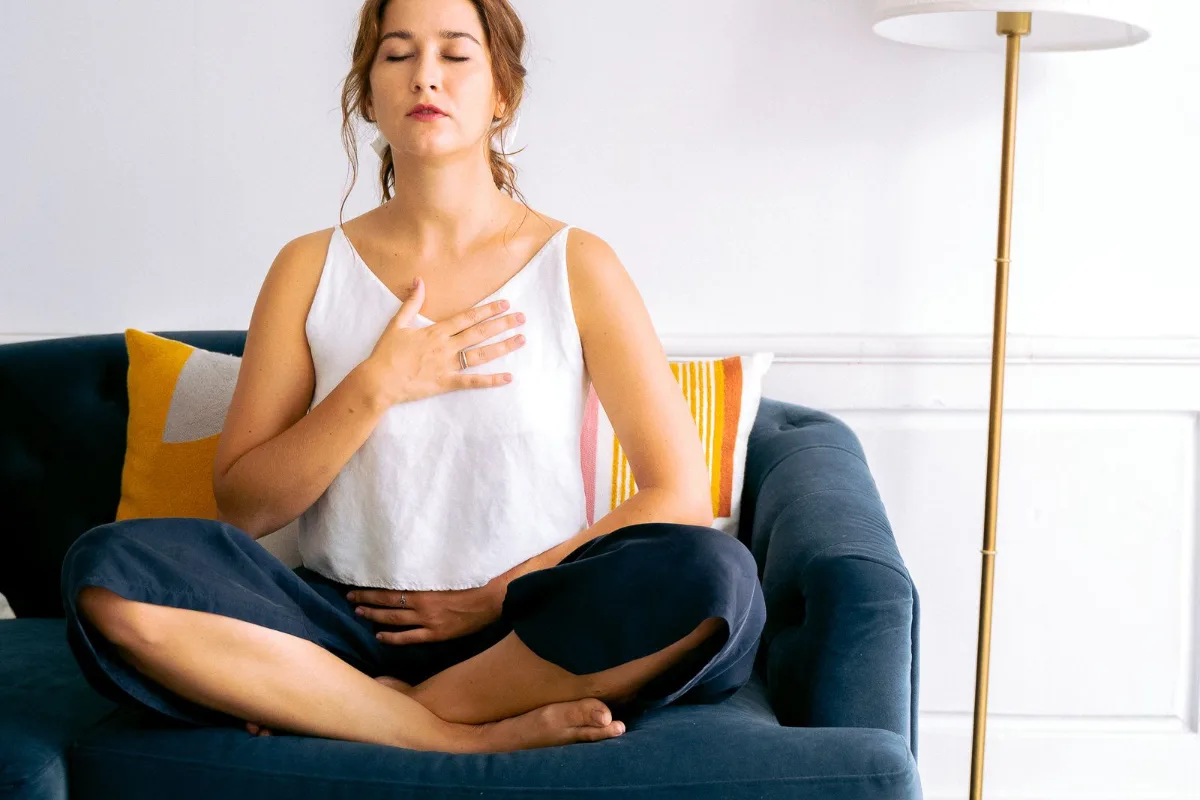
- Stay calm and stay with them; speak in a slow, gentle voice
- Say: “You are having a panic attack. You are safe. It will pass.”
- Breathe slowly with them, counting out loud
- Guide them through 5-4-3-2-1 grounding
- Offer water and a quiet space
- Do not tell them to “calm down” or that it is “all in their head”
- Call 911 if they have chest pain, trouble breathing that does not improve, faint, or you are unsure
How to prevent future panic attacks
- Practice breathing daily, not just during attacks, so it becomes automatic
- Cut back on caffeine, nicotine and alcohol
- Get regular exercise, which trains your body to tolerate a faster heart rate safely
- Protect your sleep
- Stop avoiding: gradually return to places you have been avoiding, ideally with a therapist’s guidance
- Learn your triggers by keeping a short panic diary
- Get treatment for anxiety, depression or trauma underneath the panic
When panic attacks become panic disorder
Having one panic attack does not mean you have a disorder. Panic disorder is diagnosed when attacks are recurrent and unexpected, and you spend a month or more worrying about future attacks or changing your behavior to avoid them, such as skipping driving, stores or exercise. About 2.7% of U.S. adults have panic disorder in a given year. Some people also develop agoraphobia, fear of places where escape might be hard.

Treatment for panic attacks
Cognitive behavioral therapy (CBT)
CBT for panic, including interoceptive exposure (safely bringing on panic sensations so they lose their power), is the gold-standard treatment. Most people improve significantly in 10 to 15 sessions.
Medication
SSRIs and SNRIs are first-line medications that reduce how often panic attacks happen. Other short-term options may be considered in some situations. A psychiatric provider will discuss the right fit through medication management.
Medical check
Ruling out thyroid problems, heart rhythm issues and medication side effects is part of a thorough evaluation.
GraceBridge Psychiatry treats panic attacks and panic disorder online for adults in Texas, Arizona and Washington. Explore our anxiety care.
When to get help
Contact a provider if you have had more than one panic attack, you are worried about having another, you are avoiding places or activities, or panic is affecting your work, driving or relationships. Seek emergency care for chest pain you are unsure about, fainting, or if you have thoughts of harming yourself.
Frequently asked questions
What is the fastest way to stop a panic attack?
Slow your breathing with a long exhale (in for 4, out for 6 to 8), name it as a panic attack that will pass, ground yourself with the 5-4-3-2-1 technique, and use cold water on your face. Most attacks ease within minutes.
How long does a panic attack last?
Most panic attacks peak within 10 minutes and fade within 20 to 30 minutes, though you may feel tired or shaky for a while afterward.
Can a panic attack hurt you?
Panic attacks feel frightening but are not physically dangerous in otherwise healthy people. Still, if you have chest pain or are unsure, get checked to rule out a medical problem.
What triggers panic attacks?
Common triggers include stress, caffeine, lack of sleep, alcohol or drug use or withdrawal, illness, strong emotions and specific situations. Some attacks occur without an obvious trigger.
What is the 5-4-3-2-1 technique?
It is a grounding exercise: name 5 things you see, 4 you can touch, 3 you hear, 2 you smell and 1 you taste. It redirects attention from fear to the present moment.
Why do I have panic attacks at night?
Nocturnal panic attacks wake people from sleep and are linked to anxiety, stress, sleep problems, sleep apnea and sometimes acid reflux. They are treatable, and a provider can check for medical causes.
Can you have a panic attack for no reason?
Yes. Panic attacks can feel like they come out of nowhere, especially in panic disorder, because the brain’s alarm system has become oversensitive to normal body sensations.
How do I know if it is a panic attack or a heart attack?
Panic attacks usually peak within 10 minutes and come with fear, tingling and sharp chest pain. Heart attacks more often cause pressure spreading to the arm, jaw or back and get worse with exertion. If in doubt, call 911.
What should I say to someone having a panic attack?
Calmly say they are having a panic attack, they are safe and it will pass. Breathe slowly with them and guide them through grounding. Avoid telling them to calm down.
Can breathing exercises really stop a panic attack?
Yes. Slow breathing with a longer exhale activates the parasympathetic nervous system and reduces heart rate and dizziness, often within a few minutes.
What is the difference between a panic attack and an anxiety attack?
A panic attack comes on suddenly with intense fear and physical symptoms that peak quickly. “Anxiety attack” is not a formal term but usually describes anxiety that builds more gradually in response to stress.
Can panic attacks be cured?
Panic attacks and panic disorder respond very well to treatment. Many people become panic-free after CBT and/or medication, and they learn skills to handle any future attacks.
What medication helps panic attacks?
SSRIs and SNRIs are first-line medications for preventing panic attacks. A psychiatric provider can discuss options, benefits and side effects with you.
Should I go to the ER for a panic attack?
Go to the ER or call 911 if you have chest pain you are unsure about, trouble breathing that does not improve, fainting, or if it is your first episode and you are frightened. It is always okay to get checked.
Can I get treatment for panic attacks online?
Yes. GraceBridge Psychiatry offers online evaluation and treatment for panic attacks and panic disorder for adults in Texas, Arizona and Washington.
Sources
- National Institute of Mental Health. Panic Disorder: When Fear Overwhelms
- National Institute of Mental Health. Panic Disorder statistics
- Anxiety & Depression Association of America. Panic Disorder
- Kessler RC, et al. The epidemiology of panic attacks, panic disorder, and agoraphobia in the National Comorbidity Survey Replication. Arch Gen Psychiatry. 2006;63(4):415-424.
- 988 Suicide & Crisis Lifeline